

Real Estates Law Articles
Real Estate News
Workshops/ Events
FAQ
Do you handle complex or high-net-worth matters?
Yes. We represent clients in matters involving complex financial structures, business interests, investment portfolios, and significant assets. These cases require careful financial analysis and strategic planning to protect long-term stability.
Do you offer services in multiple languages?
Yes. Our team provides multilingual legal support to better serve Vancouver’s diverse community.
- English
- Mandarin
- French
- Punjabi
- Hindu
- Spanish
What can I expect during my initial consultation?
During your initial consultation, we will review the key details of your situation, identify the legal issues involved, and outline potential next steps.
Our goal is to provide clarity, explain your rights and obligations, and help you understand the options available to you. You will leave with a clearer understanding of your position and the path forward.
Our Approach

Jeff Courson
Lawyer
Disclaimer: This blog is provided for general informational purposes only and does not constitute legal advice. Readers should obtain advice from a qualified lawyer about their specific situation.
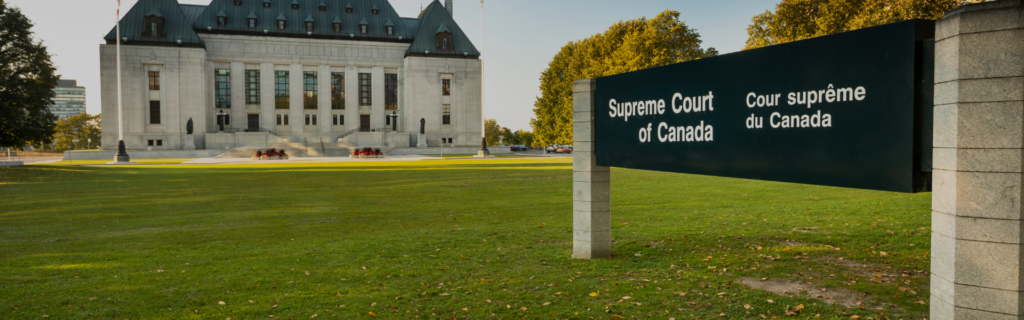
Source: Supreme Court of Canada, Ahluwalia v. Ahluwalia, 2026 SCC 16, case summary and judgment.
On May 15, 2026, the Supreme Court of Canada released a landmark decision in Ahluwalia v. Ahluwalia, 2026 SCC 16, formally recognizing a new civil cause of action: the tort of intimate partner violence. This decision marks a significant evolution in Canadian law, acknowledging that existing legal remedies have not fully captured the realities of abuse within intimate relationships.
The case arose from a 16-year marriage marked by physical and emotional abuse. While lower courts accepted that the husband’s conduct was actionable under existing torts such as assault and intentional infliction of emotional distress, the key issue before the Supreme Court was whether those categories were sufficient—or whether a distinct legal framework was needed to address patterns of coercive and controlling behaviour.
Writing for the majority, Justice Kasirer concluded that traditional torts fall short in recognizing the full scope of harm caused by intimate partner violence. The Court emphasized that abuse in intimate relationships is often not limited to isolated incidents of physical harm, but instead involves patterns of coercive control—such as isolation, financial restriction, surveillance, intimidation, and psychological manipulation—that undermine a person’s autonomy, dignity, and equality.
To address this gap, the Court established a new tort with three core elements: (1) the conduct must occur within (or following) an intimate relationship; (2) the defendant must have engaged in intentional abusive conduct; and (3) the conduct, viewed contextually, must amount to coercive and controlling behaviour. Importantly, this framework recognizes the cumulative impact of abuse, rather than requiring claimants to isolate specific incidents.
For individuals experiencing or recovering from abusive relationships, this decision provides a clearer and more tailored path to seek compensation for harm suffered. It also signals a broader shift in how Canadian courts understand and respond to intimate partner violence—moving beyond incident-based analysis toward a more holistic view of power, control, and inequality within relationships.
At a practical level, this development may influence both family and civil litigation strategies, particularly in cases where patterns of abuse intersect with claims for damages. Legal professionals should be mindful of how this new tort may expand potential remedies and reshape the evidentiary approach in such matters.
As the law continues to evolve, Ahluwalia v. Ahluwalia stands as a pivotal step toward recognizing the lived realities of survivors and ensuring that the legal system can more effectively respond to complex forms of interpersonal harm.